Collars
 Leashes
 Charms
Dog Collar Rubbing: Causes, Fixes and When to See a Vet
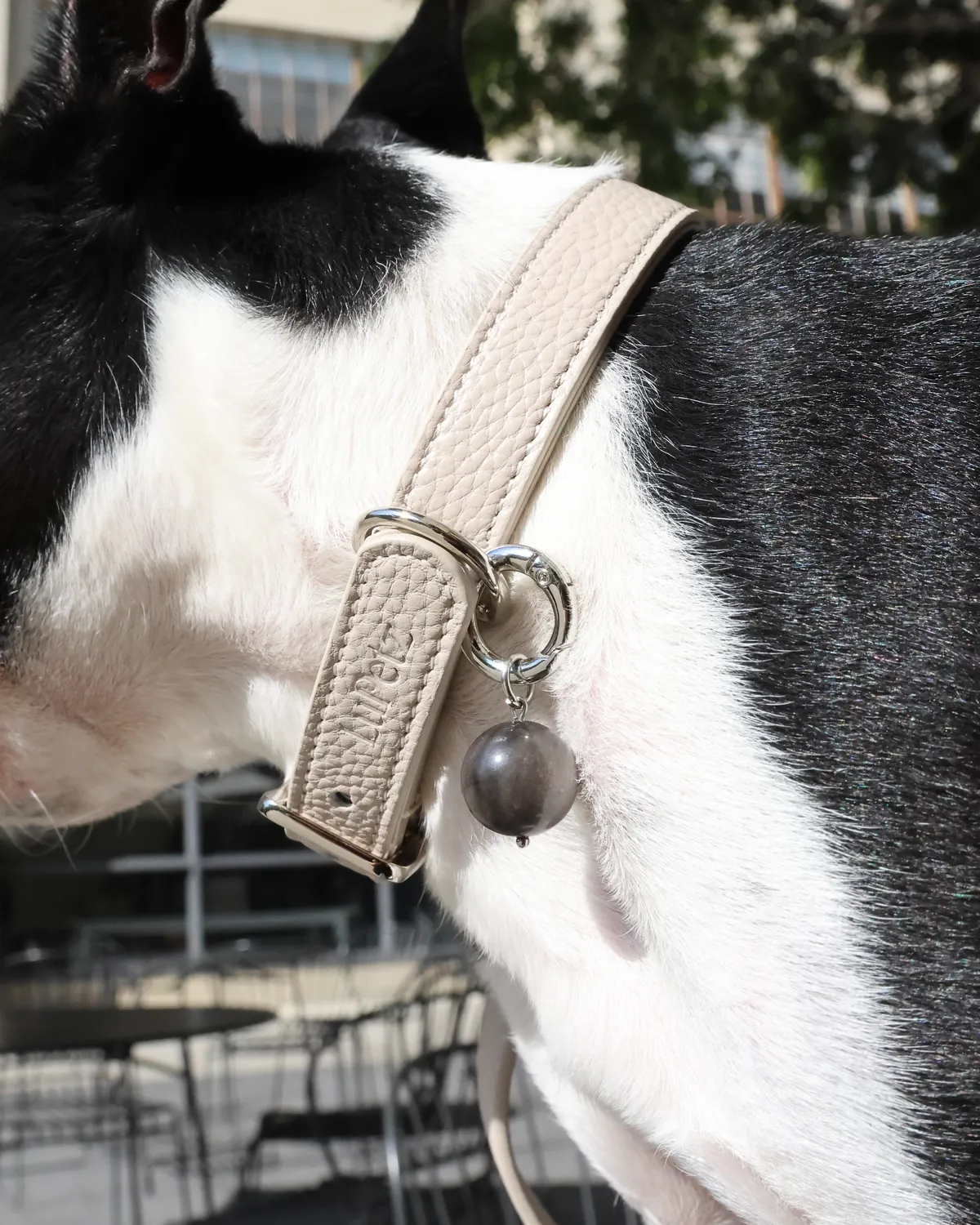
Dog collar rubbing usually shows up as thinner or broken fur in a ring around the neck. In most cases the cause is mechanical: a collar that sits too tight or too loose, a stiff or rough edge, or dirt and moisture trapped against the coat. Check the fit, clean the collar and the skin beneath it, and give the neck some collar-free time indoors. If the skin is red, broken or crusty, or the fur loss spreads beyond the collar line, call your vet.
What collar rubbing looks like
Friction from a collar tends to follow the collar exactly. The fur is shorter or patchy in a band where the collar sits, and the line is often clearest where the buckle or the tag ring rests. The UK veterinary charity PDSA calls this contact alopecia and notes that skin under a long-worn collar may darken or thicken a little, but should not be red, inflamed or crusty.
Two other patterns are worth knowing:
- Matting. On long or curly coats, the collar can twist fur into tight knots underneath. The coat looks fine from above, but the hair below is felted.
- Chafing. When the rubbing goes deeper than the fur, the skin looks pink or scraped. Rover describes collar and harness chafing as an abrasion that lines up with what the dog wears, which is how you tell it apart from other skin problems.
Why a collar rubs
Most cases come down to one or more of these.
The fit is off
A collar that is too tight presses on the same strip of skin all day. A collar that is too loose slides, turns and rubs as the dog moves. The American Kennel Club’s guidance is the familiar two-finger check: you should be able to slide two fingers flat under the collar, and no more. Puppies and young dogs change fast, so a collar that fit last month may not fit now.
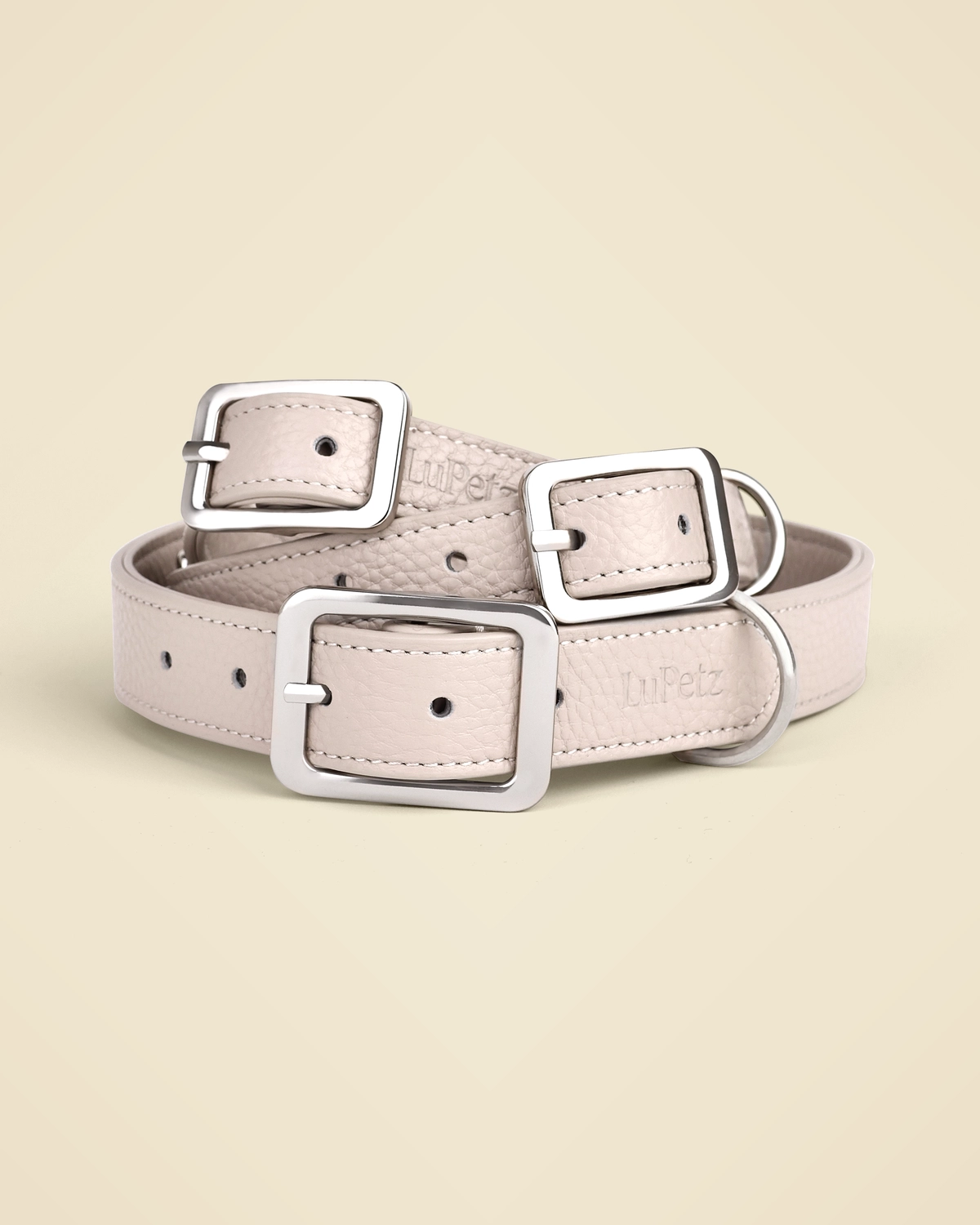
If you have not measured in a while, our dog collar size chart and measuring guide walks through it with a soft tape.
The edge or the width is wrong for the neck
Rough synthetic edges, raised stitching and hard, unfinished leather are common culprits. So is a collar that is too narrow for a large dog, which concentrates pressure on a thin line. The UK site Pets4Homes lists pinching at buckles, stiff edges and pulling on the lead among the usual causes. Our guide to dog collar width covers how wide is sensible for your dog’s size.
Dirt, water and a coat that stays damp
Grit, sweat and moisture held against the skin turn ordinary friction into irritation. The AKC suggests washing the collar whenever the dog has a bath. A collar that stays wet after swims or rainy walks also keeps the fur beneath it damp, which is when matting starts on longer coats.
Pulling
A dog that leans into the leash puts steady pressure on the front of the neck. If your dog pulls hard, a harness for walks may be kinder while you work on loose-leash walking. The collar can still carry the ID tag.
How to fix it at home
- Take the collar off and look. Part the fur and check the skin all the way around. Note whether it is just shorter fur, or whether the skin itself is pink, scraped or broken.
- Re-measure and re-fit. Do the two-finger check with the dog standing, then again sitting, since the neck changes shape. Move to a different hole or a different size if needed.
- Clean the collar. Wipe away dirt and let it dry fully at room temperature before it goes back on. For leather, our guide on how to clean a leather dog collar covers the gentle method.
- Brush the neck. On longer coats, work out small knots with a comb before they tighten. Leave tight mats to a groomer.
- Give the neck a rest. At home and under supervision, take the collar off for a while each day. Pets4Homes suggests a harness until broken fur grows back; if you do that, keep ID on the harness.
Do not put creams or home remedies on broken skin without asking your vet first.
When to see a vet
Collar friction is a common cause of fur loss on the neck, but it is not the only one. PDSA lists parasites, allergies, ringworm, infections and hormonal conditions among the causes of fur loss in dogs. Book a vet visit if you see any of these:
- red, raw, weeping or crusty skin under the collar
- bald patches that reach beyond where the collar sits
- scratching, licking or rubbing at the area
- no improvement within about a week of fixing the fit and keeping the area clean
- other changes, such as low energy, weight change or drinking more
Choosing a collar that is gentler on the coat
Once the neck has settled, look at the collar itself. A few details make a difference over months of daily wear:
- Smooth, finished edges. Edges that are rounded or sealed rub less than raw cut edges.
- A lined back. A collar lined on the inside presents one smooth surface to the fur instead of rough flesh-side leather or coarse webbing.
- Leather that softens. Good full-grain leather relaxes and shapes to the neck with wear. Our guide on how to soften leather explains how to help a new collar along.
- Nothing extra. Studs and bulky decorations can catch fur and press into skin. Fewer parts means fewer places to rub.
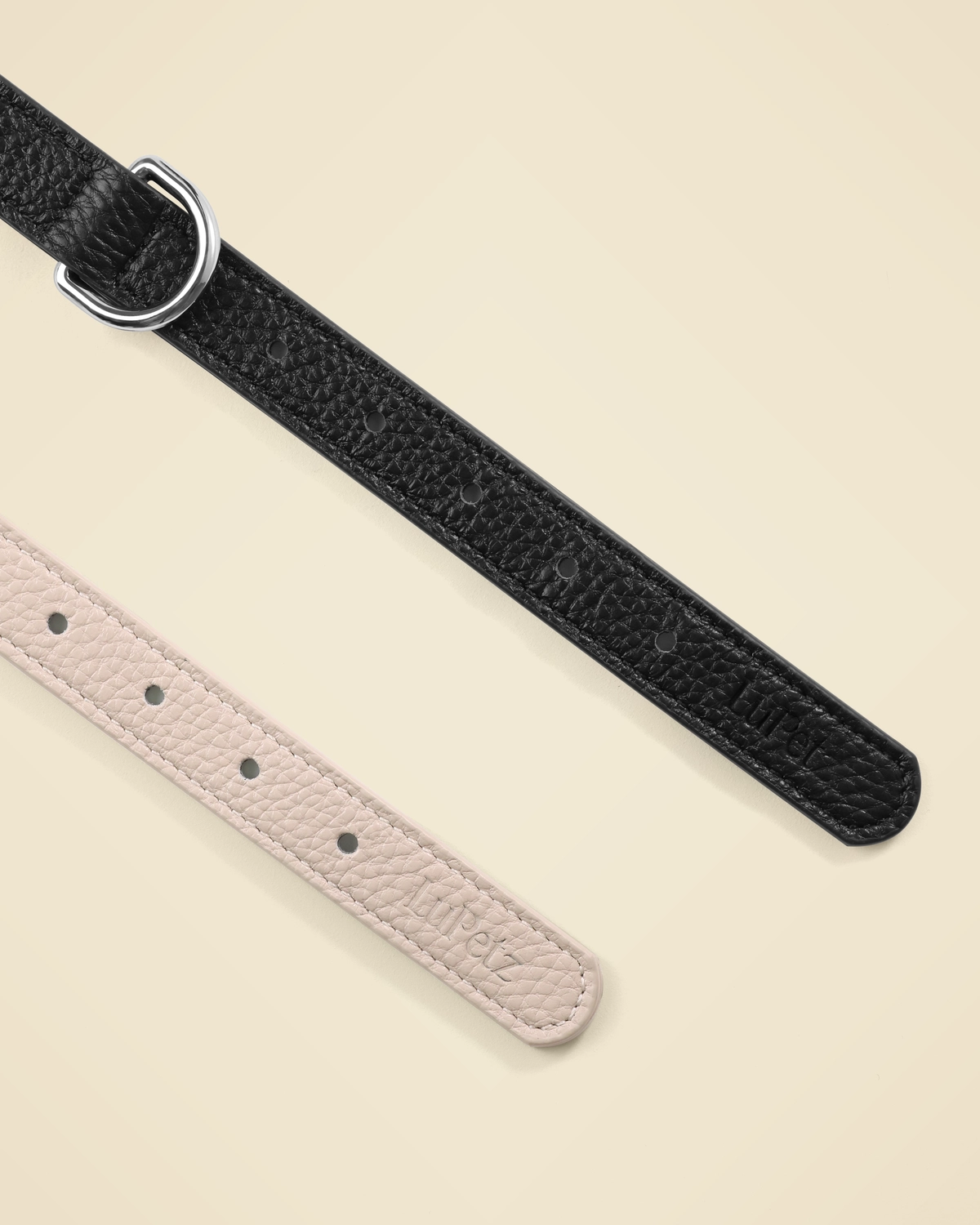
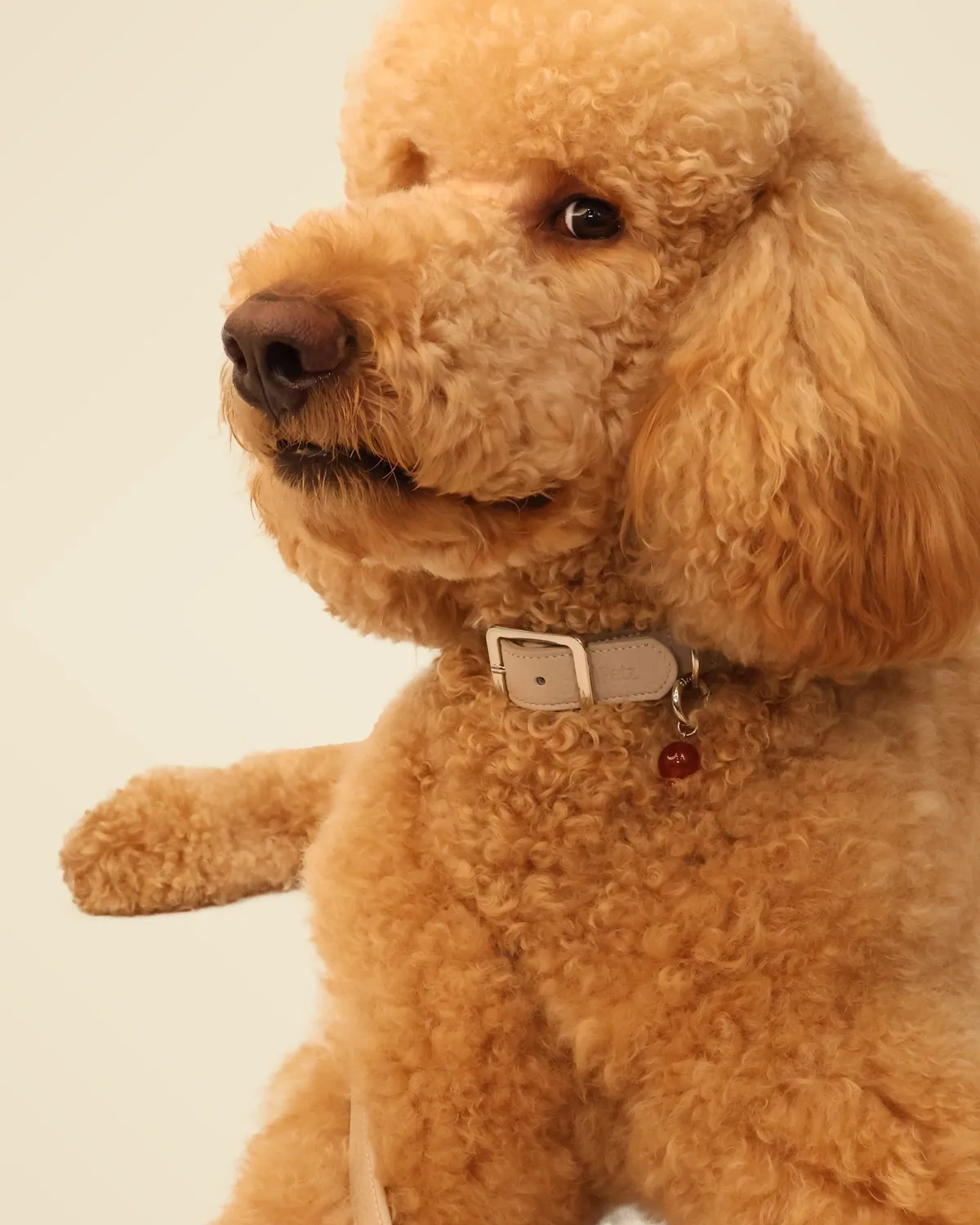
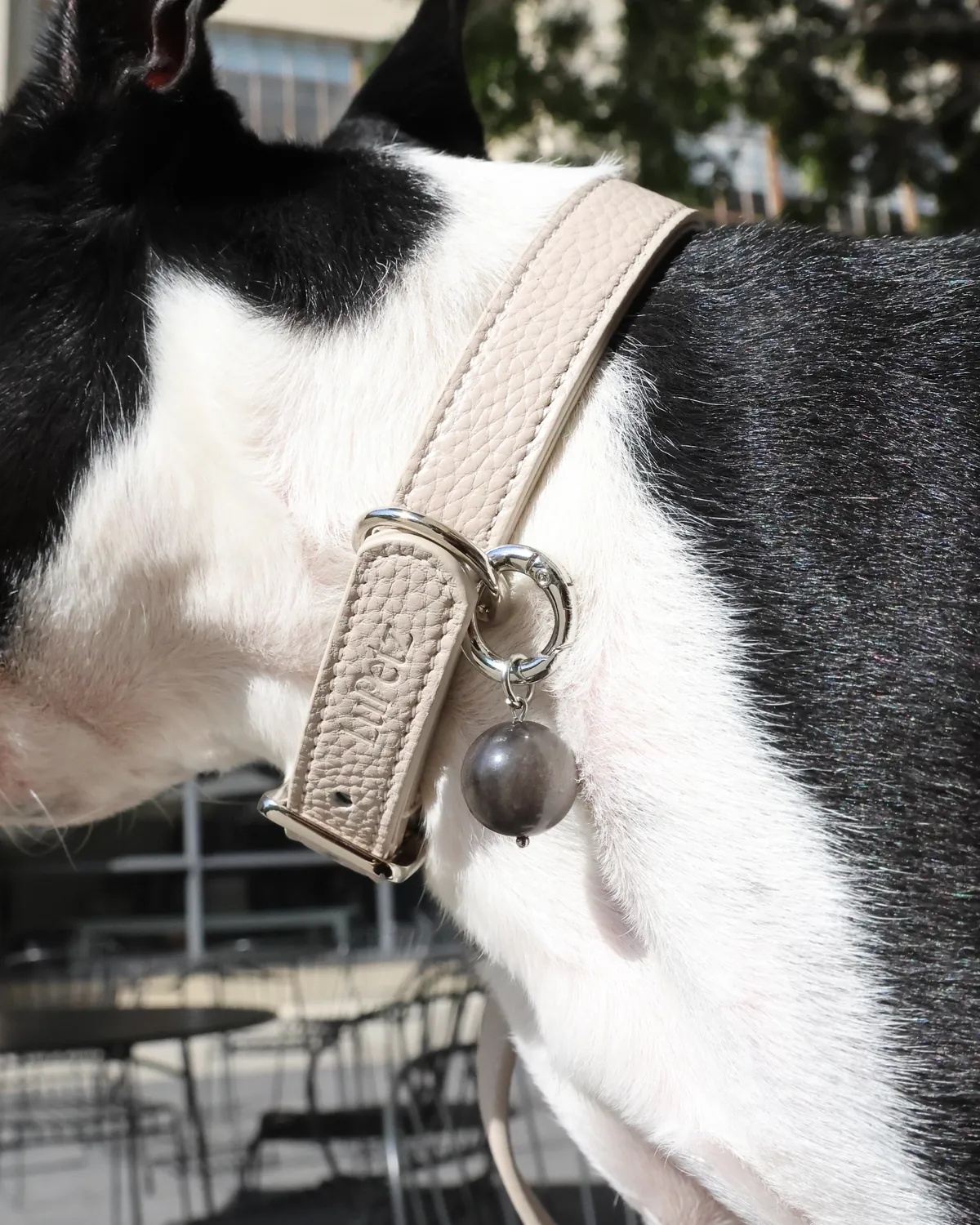
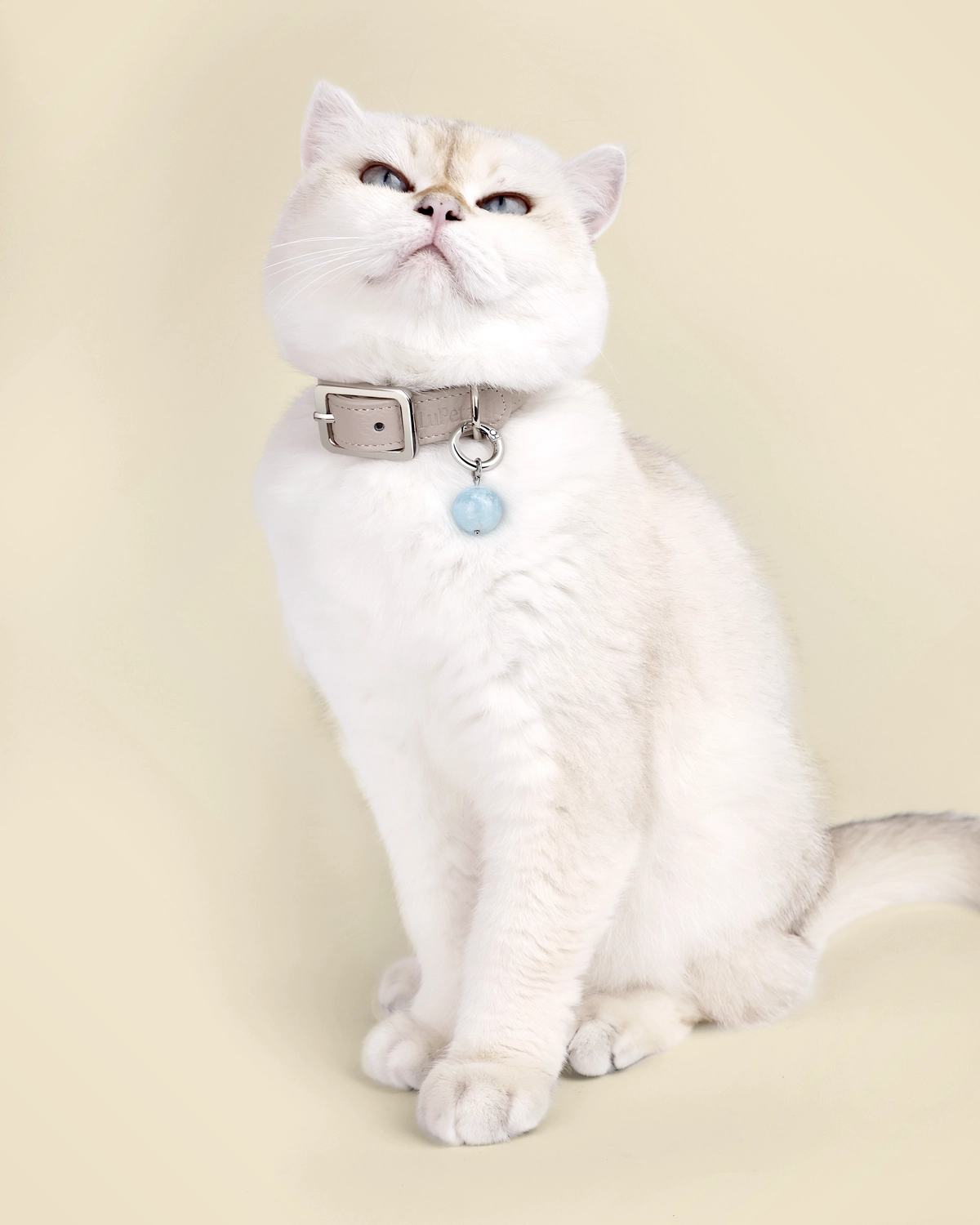
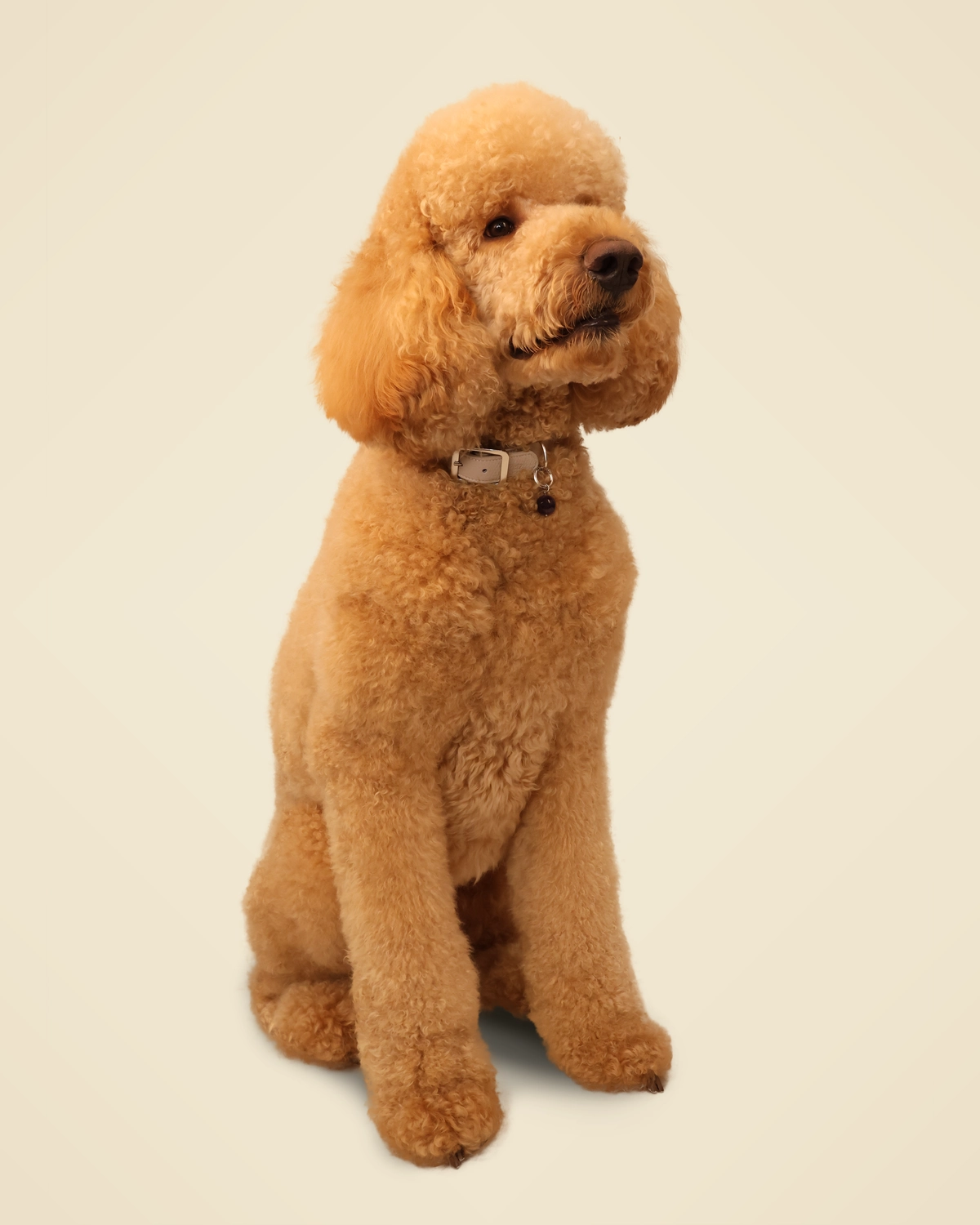
This is the thinking behind the LuKra Collar: Italian full-grain leather lined in the same leather, edges stitched by hand, and stainless steel hardware. It is a buckle collar, not a breakaway collar, so fit it with the two-finger check and supervise your dog while it is worn. The small natural stone charm is a decorative detail; make sure your dog cannot chew or swallow it.
FAQ
Is it normal for a collar to leave a line in the fur?
A faint flattened line on a dog who wears a collar every day is common. Fur that is broken, thinning or gone, or skin that is pink or sore, is not something to ignore. Check the fit and the cleanliness of the collar first.
Should my dog wear a collar all the time?
Many owners keep a collar on outdoors for ID and take it off at home under supervision. Collar-free time lets the coat and skin breathe and is one of the simplest ways to prevent rubbing.
Will the fur grow back?
When the cause is friction and it is removed, fur usually grows back, though coats regrow at different speeds. If it does not, or the skin looks unhealthy, ask your vet.
Is leather or nylon better for a dog whose collar rubs?
Either can work if it fits well and stays clean. Smooth, lined leather with finished edges tends to be gentle once broken in; rough or frayed webbing can be harsher. Our leather vs nylon dog collar guide compares the two in detail.
Not sure which size or colour suits your dog? Take the short LuPetz quiz, or see the collar and leash set, with flat-rate US shipping that is free when you order the two together.