Collars
 Leashes
 Charms
How to Leash Train a Puppy: A Calm, Step-by-Step Guide
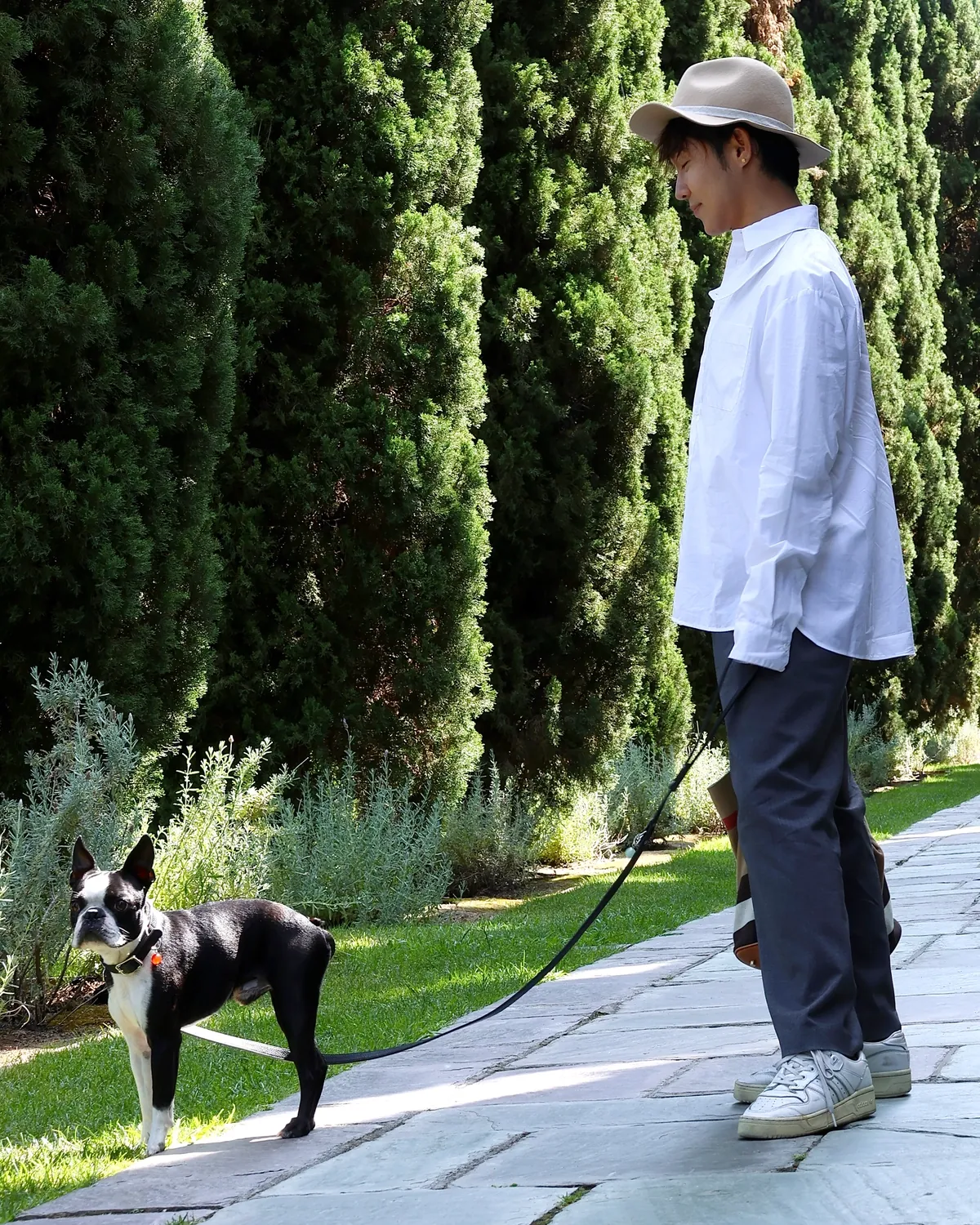
To leash train a puppy, start at home before the first walk: get the puppy used to a well-fitted collar or harness, attach a light leash indoors, reward every moment it stays close or looks back at you, and keep sessions short and frequent. Then move to the garden, a quiet street and, slowly, busier places. Most of the work is patience and well-timed treats, not equipment. This guide walks through each step and what to do when things go sideways.
When to start leash training
You can begin the week your puppy comes home. The American Kennel Club notes that leash training can start before a puppy is fully vaccinated, inside the house and garden, long before the first real walk. Early sessions are less about walking and more about teaching the puppy that a collar, a leash and your attention are all good news.
Keep each session to a few minutes. Young puppies tire quickly and learn best in short bursts, a few times a day, ending while they are still keen.
What you need before you begin
A collar or harness that fits
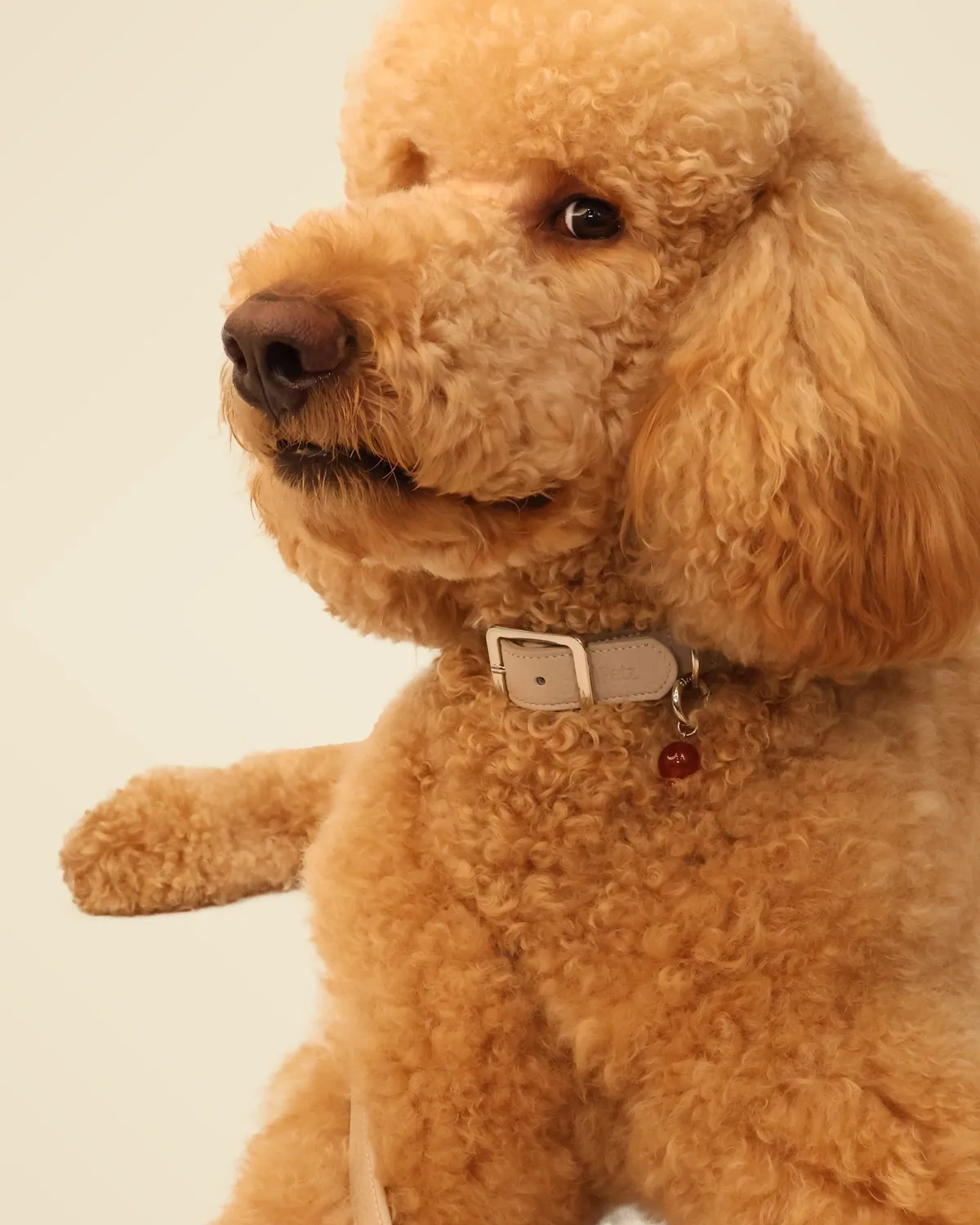
Many trainers prefer a harness for young puppies because it keeps pressure off the neck while they are still learning not to pull. A well-fitted collar is also an option, and every puppy should wear one for its ID tag. Whatever you choose, fit matters more than style: you should be able to slide two fingers under a collar, and no more. Puppies grow quickly, so check the fit every week. Our dog collar size chart and measuring guide shows how to measure the neck properly.
A light leash
For training, a lightweight leash that does not drag on the puppy is best. Avoid retractable leashes while you teach loose-leash walking, because they reward the puppy for pulling. If you are deciding on length, our guide to how long a dog leash should be compares the common options.
Small, soft treats
Use tiny pieces the puppy loves and can swallow quickly. You will use a lot of them, so count them as part of the daily food allowance.
How to leash train a puppy, step by step
- Introduce the collar or harness. Put it on for a few minutes while you play or feed, then take it off. Reward calm behaviour. Lengthen the time over several days.
- Attach the leash indoors. Clip on the leash and let the puppy walk around with it under your eye, so it gets used to the weight. Never leave a puppy alone with a leash attached; it can catch on furniture or be chewed.
- Teach a cue for attention. Choose a short word such as “yes”. Say it the moment the puppy looks at you, then give a treat. Repeat until the puppy turns toward you when it hears the word.
- Pick up the leash and take a few steps. Walk backwards a step or two so the puppy comes toward you, then mark and reward. Build to a few steps forward together, rewarding every couple of steps while the puppy is by your side.
- Add a “let’s go” cue. Say it just before you start moving, so the puppy learns that it means walking together, not lunging ahead.
- Move outside gradually. Practise in the garden first, then on a quiet street at a quiet time. Every new place is harder, so make it easier again: shorter sessions, more rewards.
When your puppy pulls, stops or bites the leash
Pulling
Pulling works for puppies because it gets them where they want to go. Make it stop working. When the leash goes tight, stand still. The moment it loosens or the puppy looks back, mark and reward, then walk on. You can also change direction calmly and reward the puppy for following. Never jerk the leash; it teaches fear, not manners.
Sitting down and refusing to move
Some puppies freeze, often because something is new or loud. Do not drag them. Crouch, wait, and encourage them toward you with a treat, or turn back toward somewhere familiar. Short walks that end well build confidence faster than long ones that end in worry.
Biting or chewing the leash
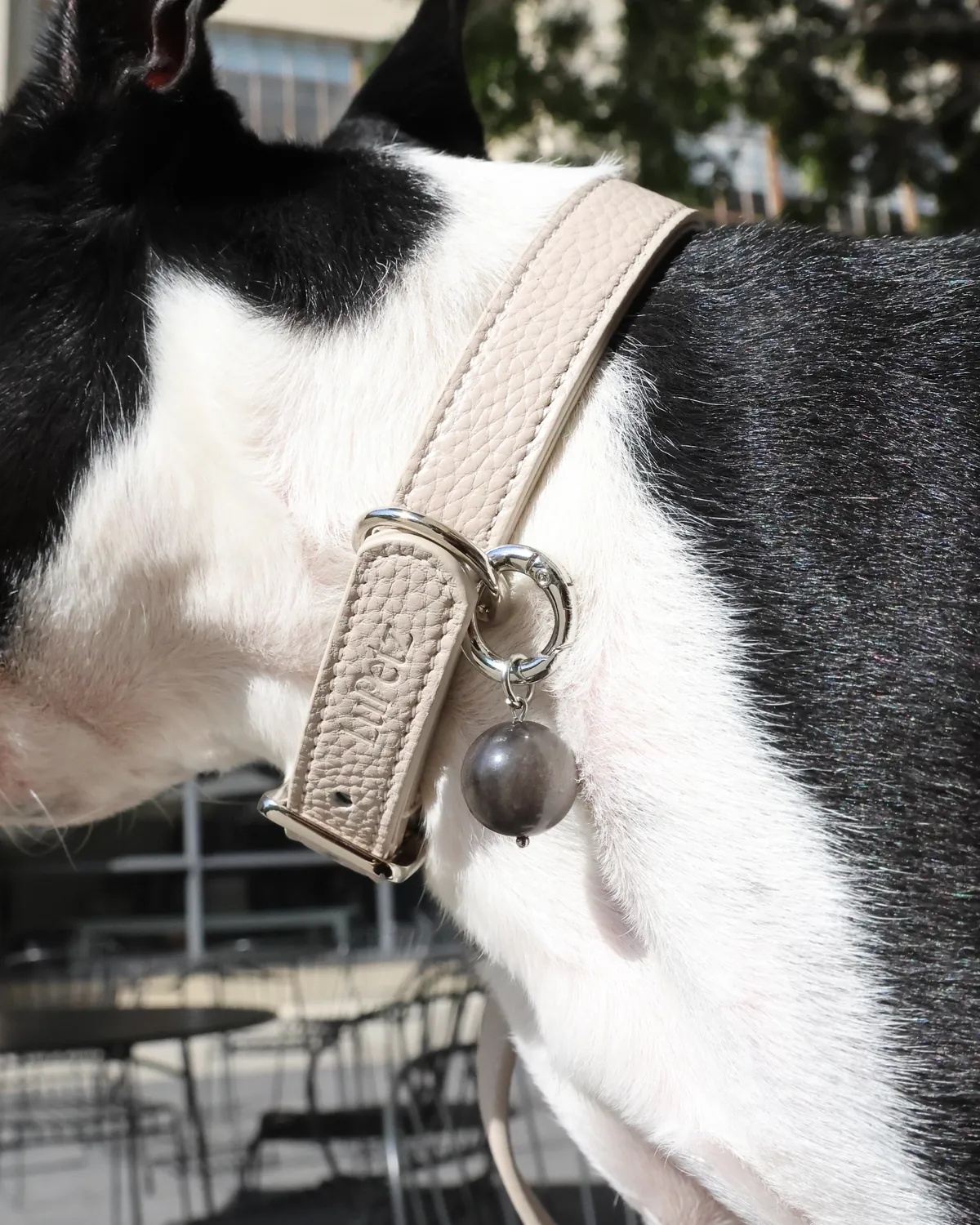
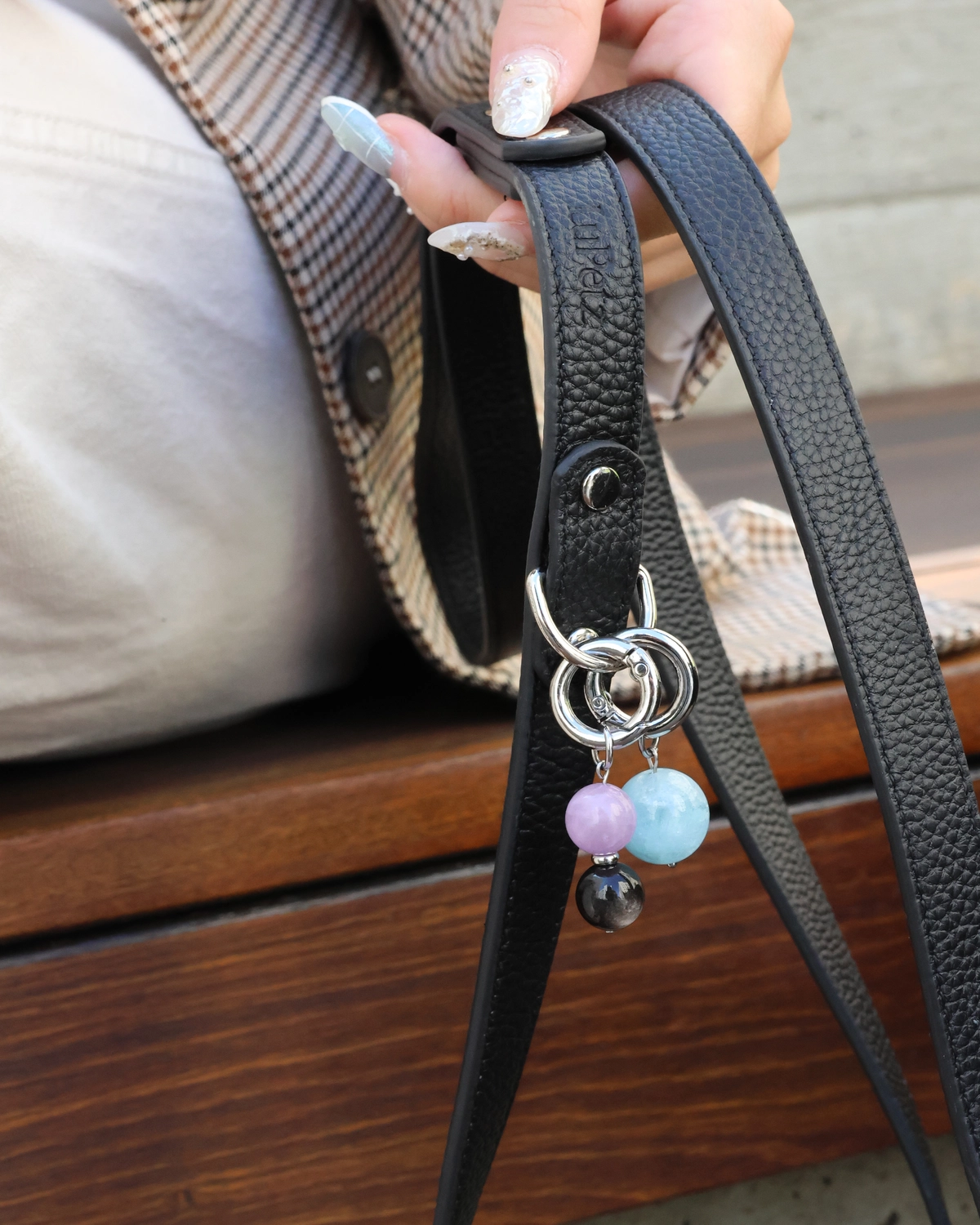
Leashes are tempting to teething puppies. Keep a toy in your pocket to offer instead, and reward the puppy when it lets go of the leash. This matters for any accessory: charms, tags and beads must never be chewed or swallowed, so keep an eye on what your puppy is mouthing.
Let walks be walks, too
Training walks are focused, but puppies also need time to sniff and explore. Give them some relaxed walks where they can choose the pace and the direction within a safe area. Sniffing is how dogs take in the world, and a puppy that has had a chance to explore is often calmer during focused practice.
As your puppy grows into an adult, its gear can grow up too. A small set of well-made accessories is easier to keep in good condition than a drawer full of worn-out ones.
Leash training a puppy: frequently asked questions
How long does it take to leash train a puppy?
It varies by puppy and by how often you practise. Many puppies walk nicely in quiet places within a few weeks of short daily sessions, but busy streets take longer. Expect to keep practising through adolescence.
Should a puppy wear a collar or a harness for training?
Both can work if they fit well. Many trainers suggest a harness while a puppy is learning not to pull, with a collar worn for the ID tag. Check the fit weekly as the puppy grows.
What length of leash is best for training a puppy?
A light leash of around 4 to 6 feet suits most training. Avoid retractable leashes until your puppy walks reliably on a loose leash.
Is it too late to leash train an older puppy?
No. The same steps work at any age; older puppies may simply need more repetition to replace habits like pulling.
Ready for everyday walks
Once your puppy walks calmly on a loose leash, everyday walks become the best part of the day. When it has grown into its adult size, the LuKra Leash, 150 cm of Italian full-grain leather, and the matching LuKra Collar are made for exactly that. If you are unsure which colour or stone to pick, the LuPetz quiz suggests a match in a minute.