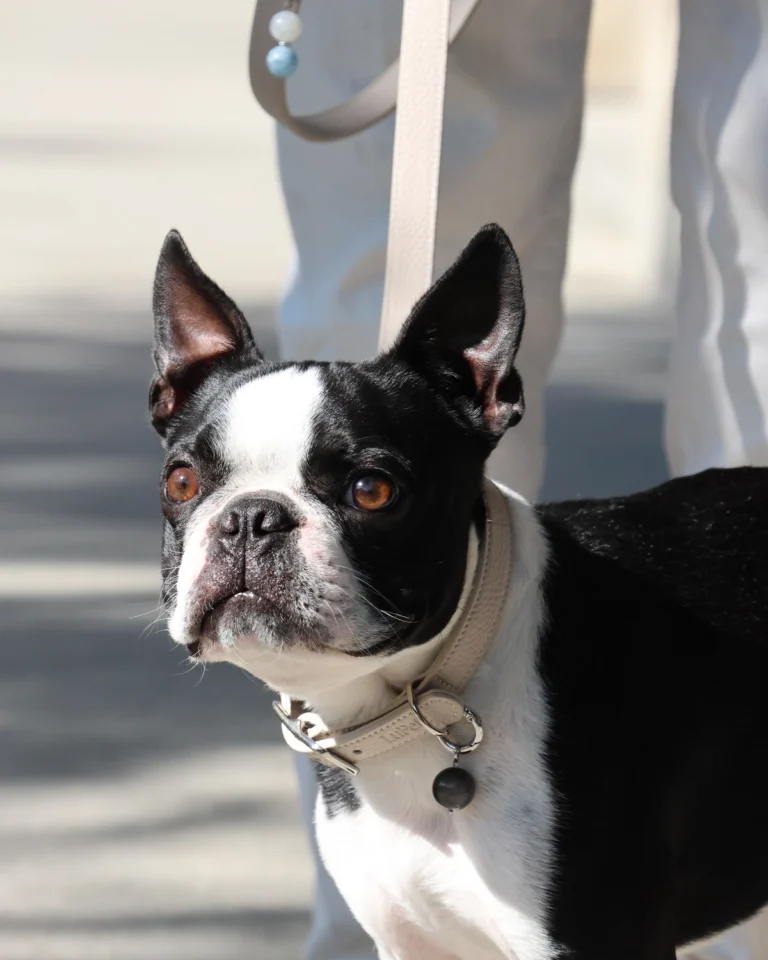
 Collars
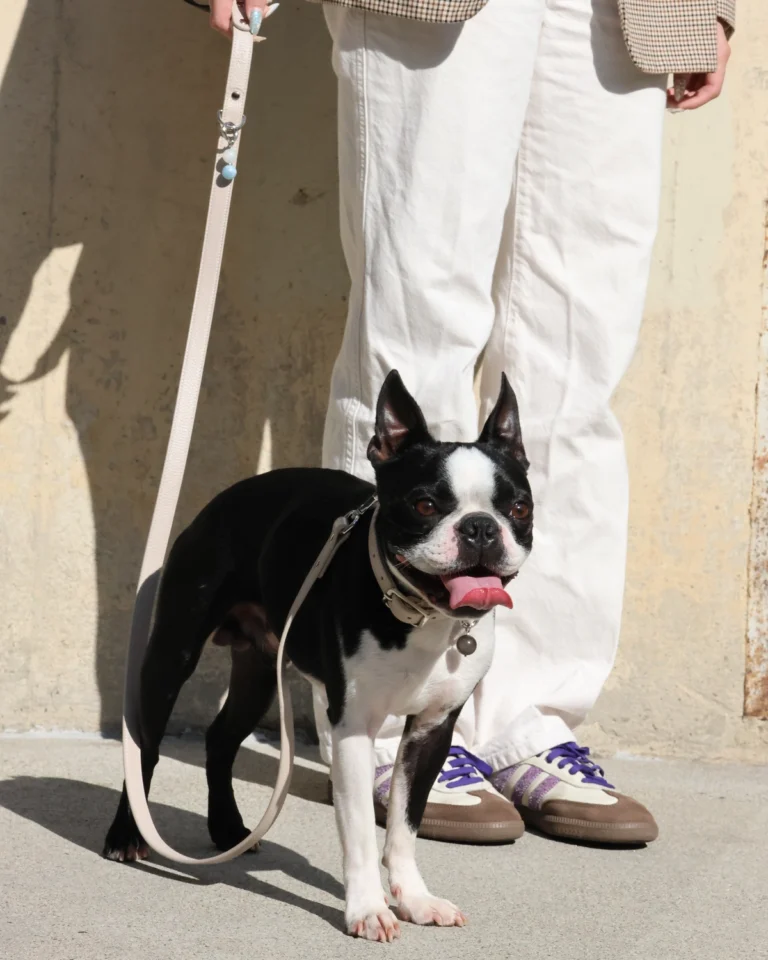 Leashes
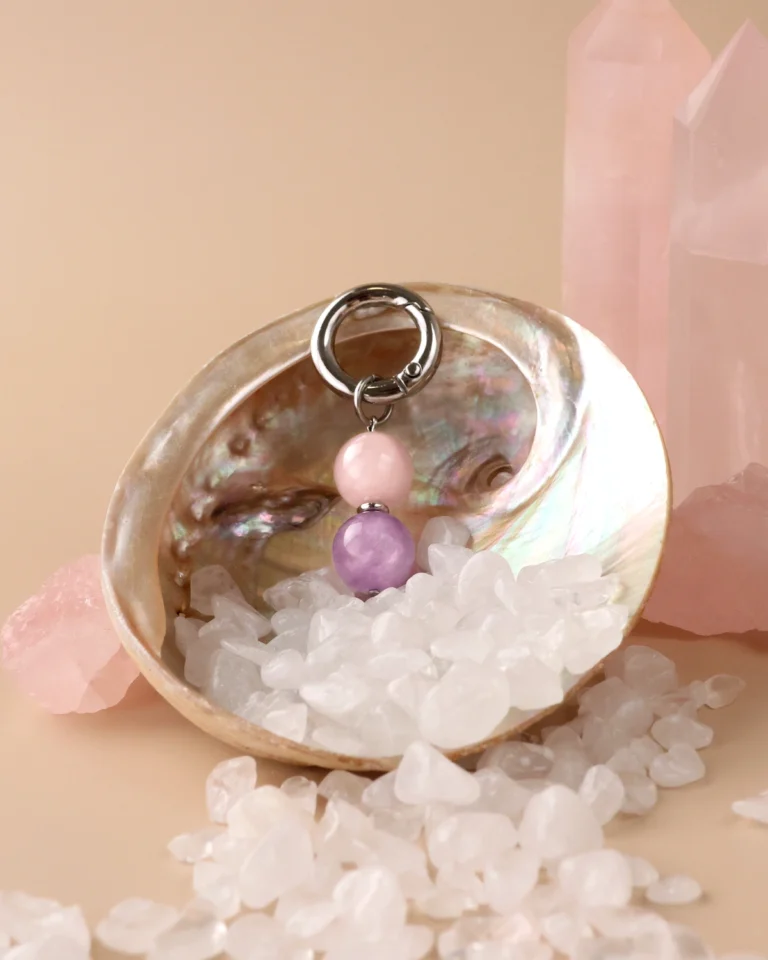 Charms
Crystals for Dog Collars: How to Choose a Natural Stone That Lasts
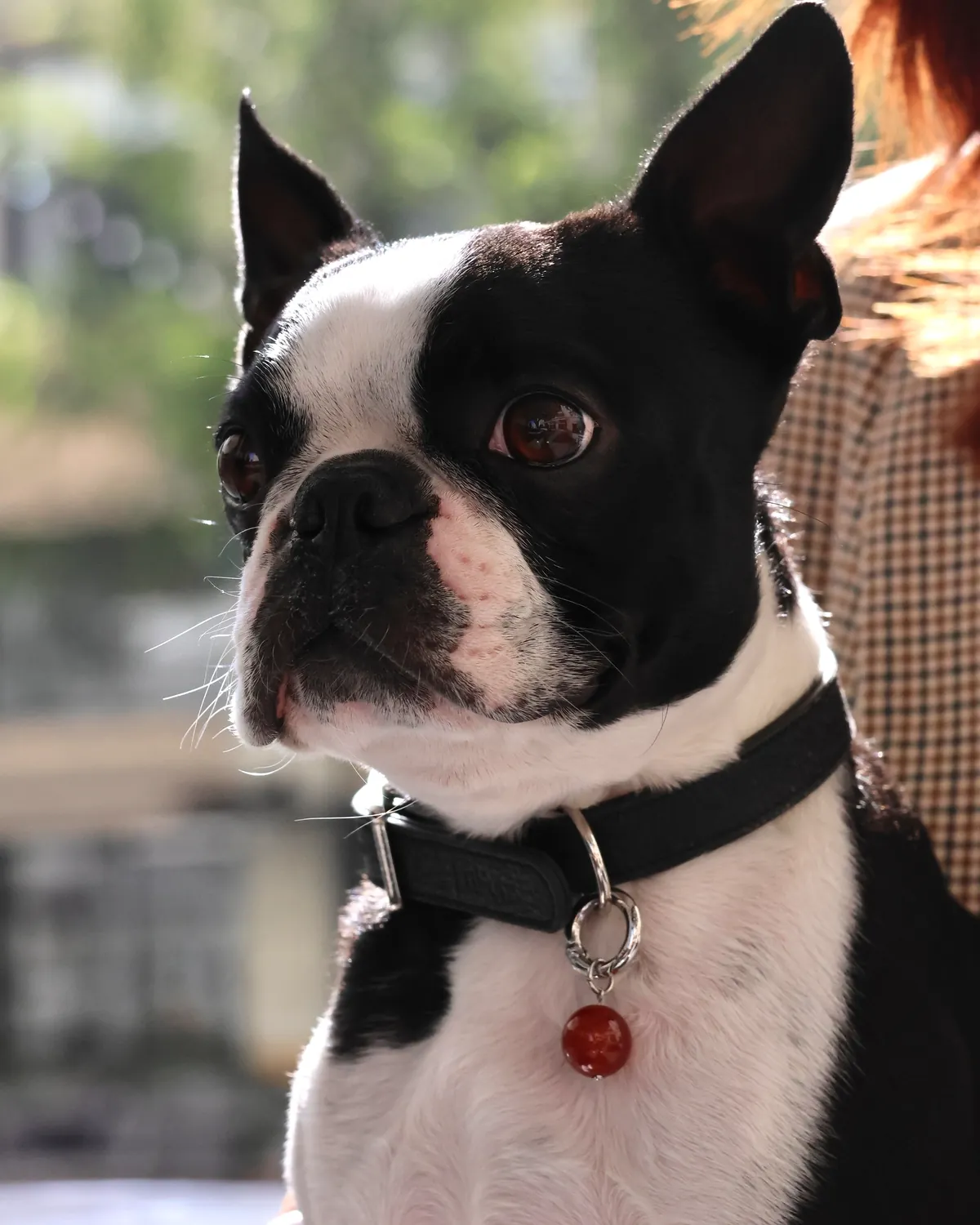
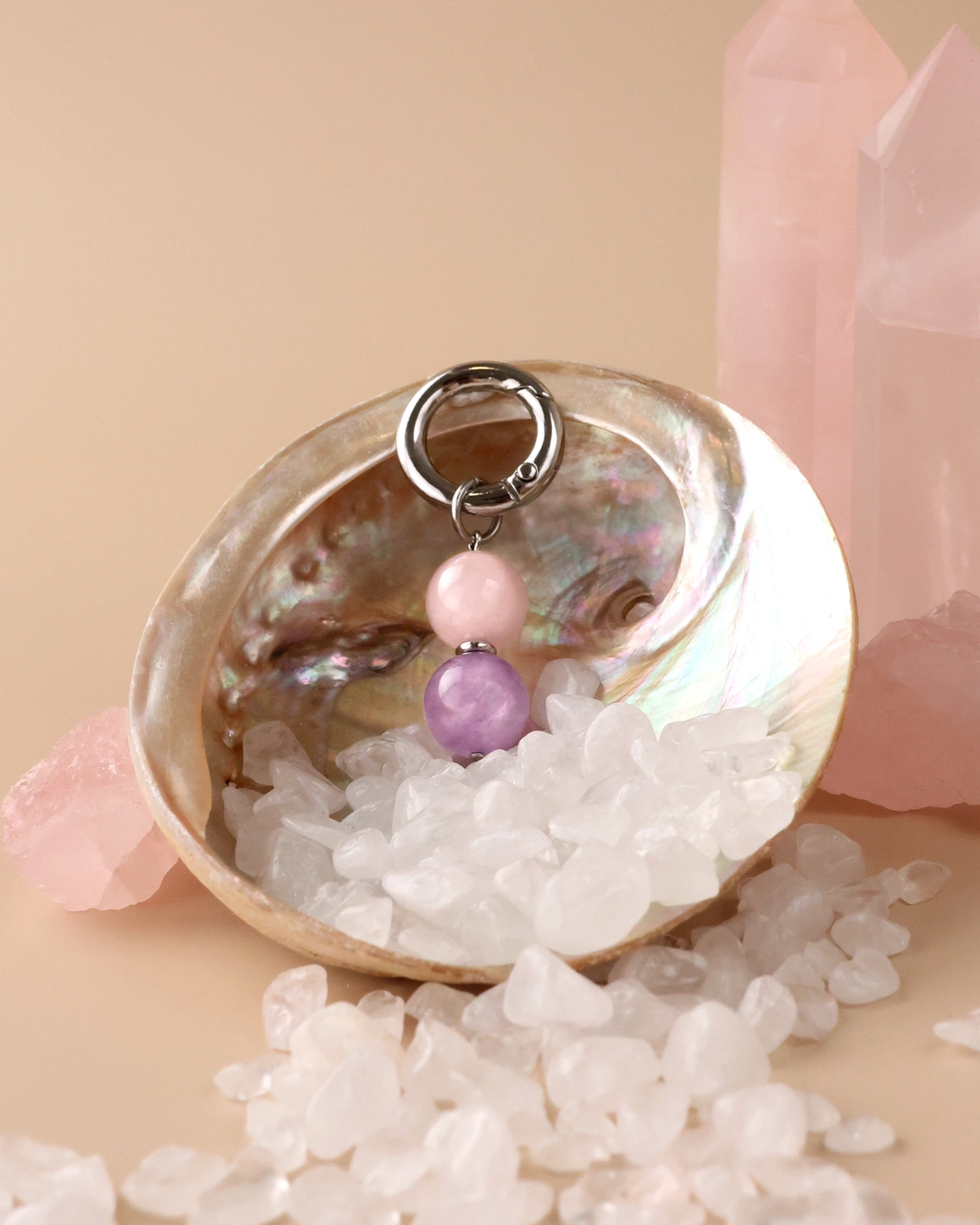
“Crystals for dog collars” usually means a small natural stone that hangs from the collar ring. Choosing one comes down to two things: a stone that stands up to everyday life, and a colour you love seeing on your dog. Here is what to look for, and a closer look at the seven stones we use on the LuKra collar.
What makes a good stone for a dog collar
A collar charm lives a busy life. It knocks against bowls, gets rained on, rolls in grass and gets nosed at the park.
- Hardness. Most of the stones below are forms of quartz, which rates 7 on the Mohs scale, hard enough to shrug off most daily scuffs.
- Shape. Polished, rounded beads are best. Raw points and jagged clusters look striking on a shelf but don’t belong near a curious mouth or a soft neck.
- Setting. The stone should be firmly fixed on a sturdy ring, not a thin loop that can snag.
- Size. Keep the charm in proportion to your dog.
The seven stones on LuKra collars
Clear quartz
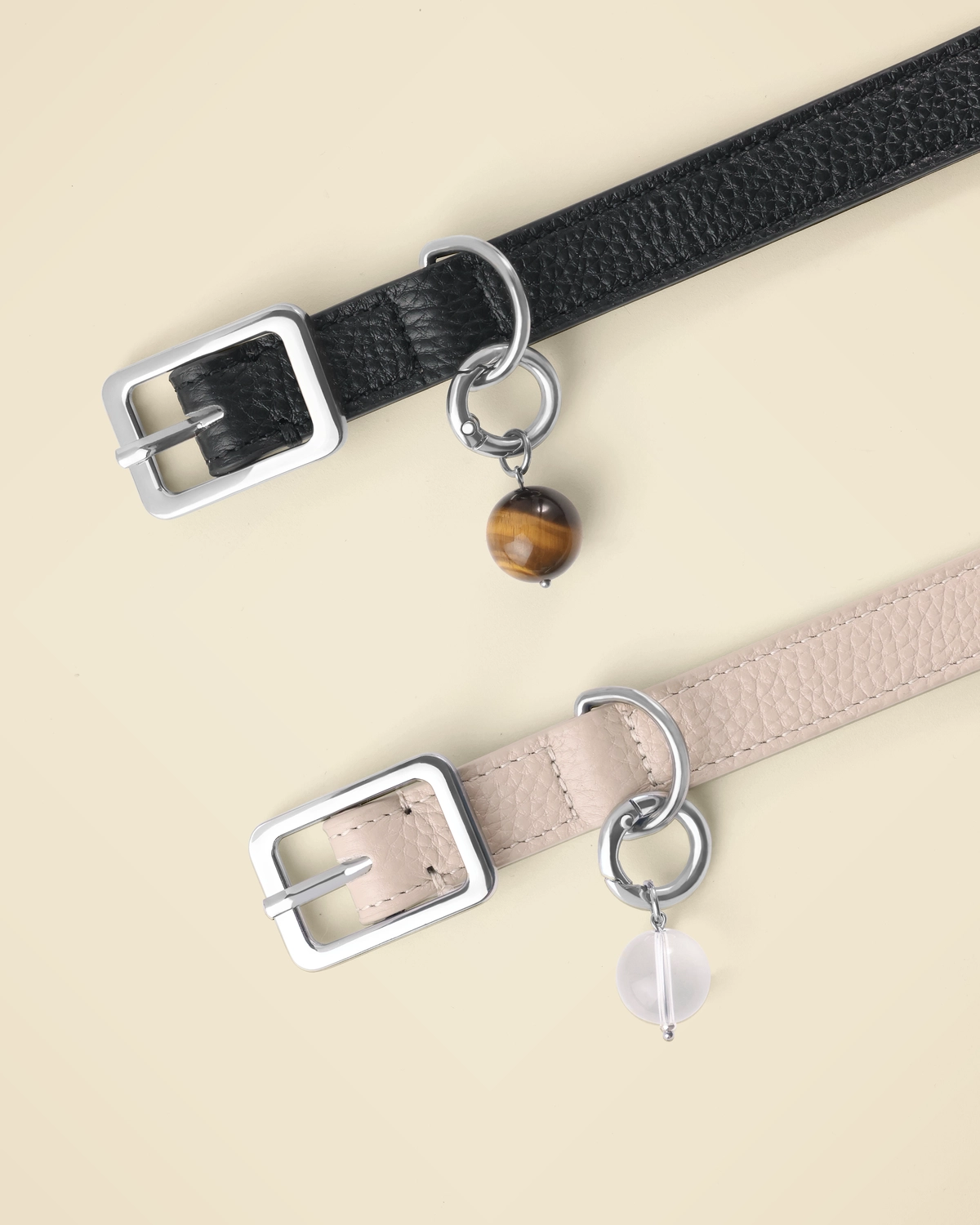
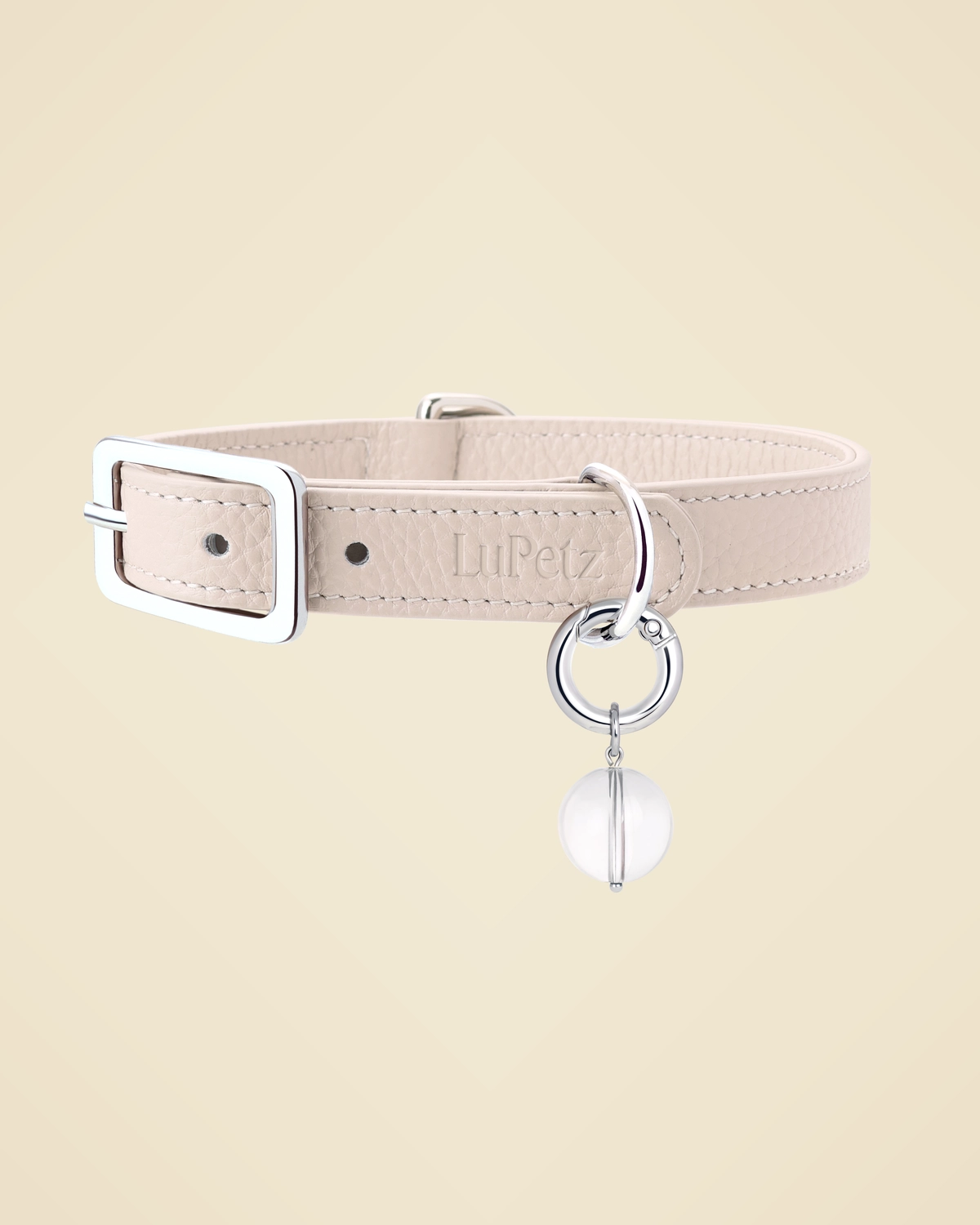
Colourless and bright, like a drop of water. Pure quartz with nothing added, found worldwide; Brazil and Arkansas in the United States are well-known sources. It goes with both black and taupe leather.
Amethyst
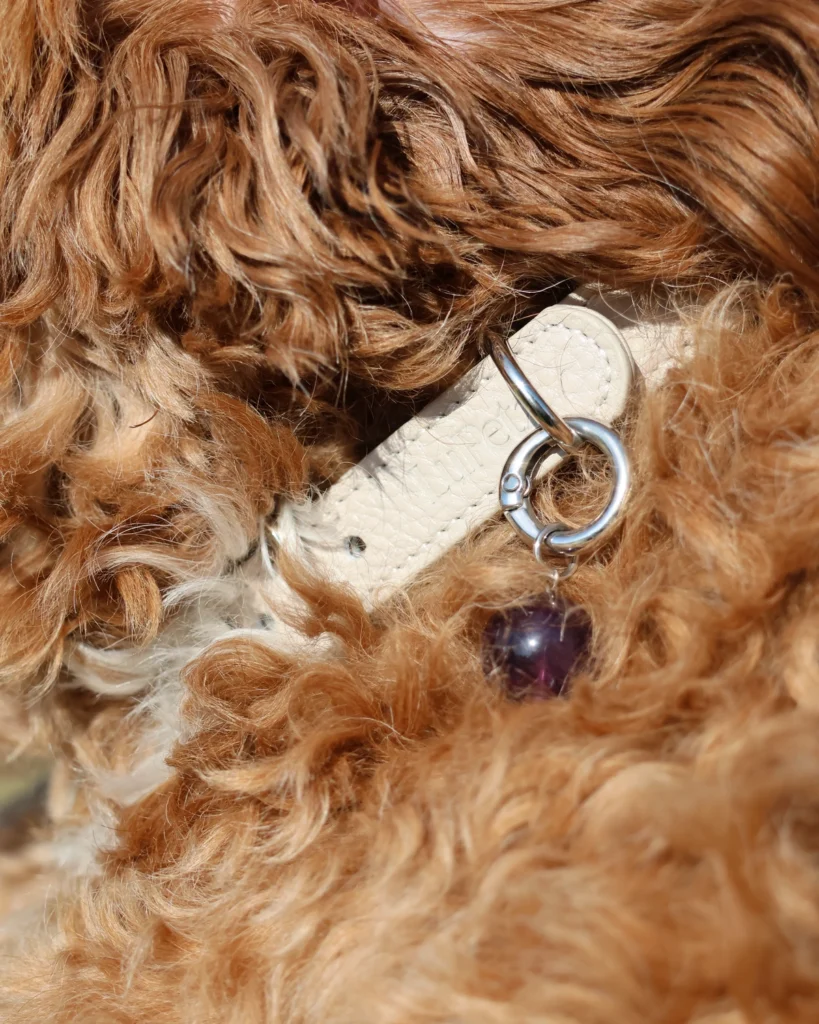
The purple variety of quartz, from pale lilac to deep violet, as GIA describes it. The colour comes from traces of iron and natural radiation in the ground. Brazil, Uruguay and Zambia are major sources. Keep it out of strong sun for long periods, which can fade the colour.
Aquamarine
A blue-green member of the beryl family, the same family as emerald, coloured by iron, per GIA. Pale and sea-glass clear, it is found in Brazil and in parts of Africa and Asia. At 7.5 to 8 on the Mohs scale, it is one of the hardest stones in the set.
Green aventurine
A quartz full of tiny mica flakes, often chromium-rich fuchsite, which give it a soft green shimmer, explains Geology.com. India is a well-known source.
Tiger’s eye
Golden-brown quartz with a band of light that moves as the stone turns, an effect called chatoyancy. It forms when quartz replaces fibrous minerals, according to Britannica. South Africa is the classic source.
Red agate
A translucent, often banded form of microcrystalline quartz, per Geology.com, in warm shades of red and orange. Brazil, Uruguay and India are common sources.
Obsidian
Not a crystal at all, but natural volcanic glass that forms when lava cools too quickly for crystals to grow, as the American Museum of Natural History notes. It is glossy black and found in volcanic regions such as Mexico and the western United States. It is softer than quartz (about 5 to 5.5 on the Mohs scale), so only ever choose it smoothly polished.
Matching a stone to your dog
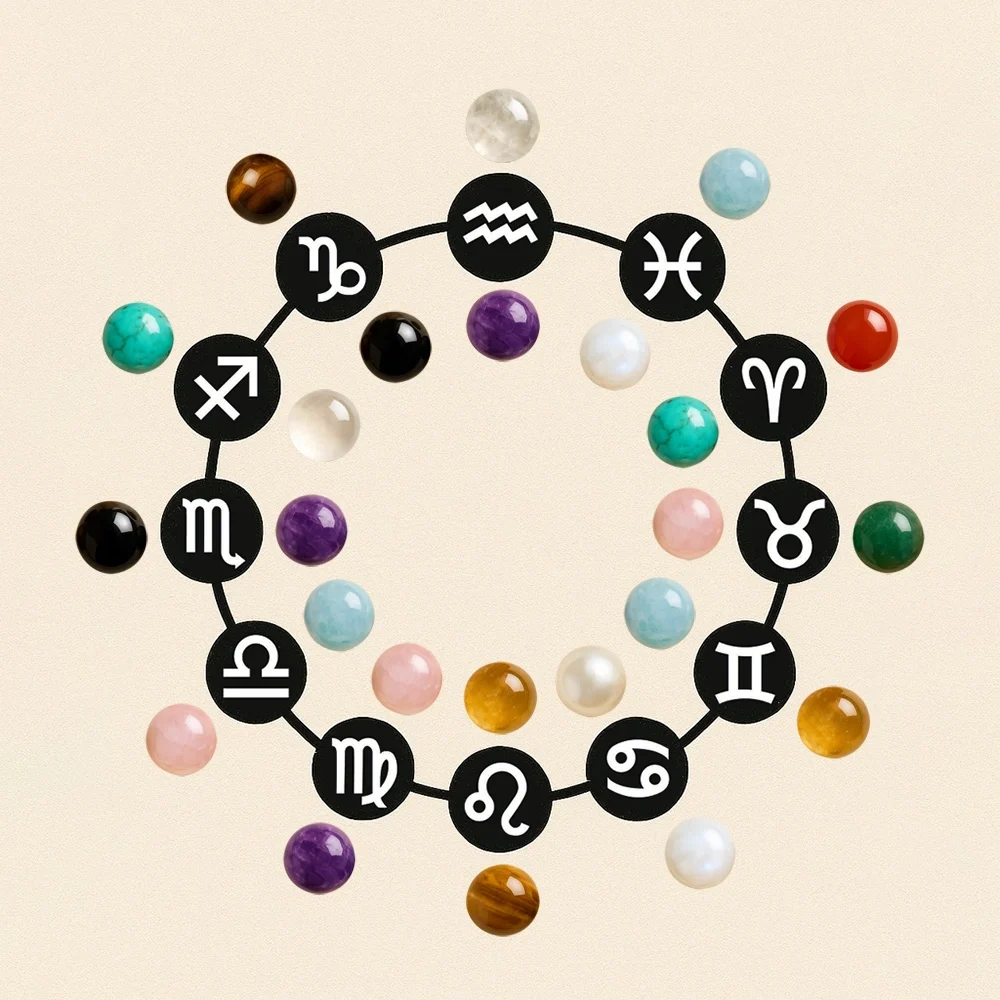
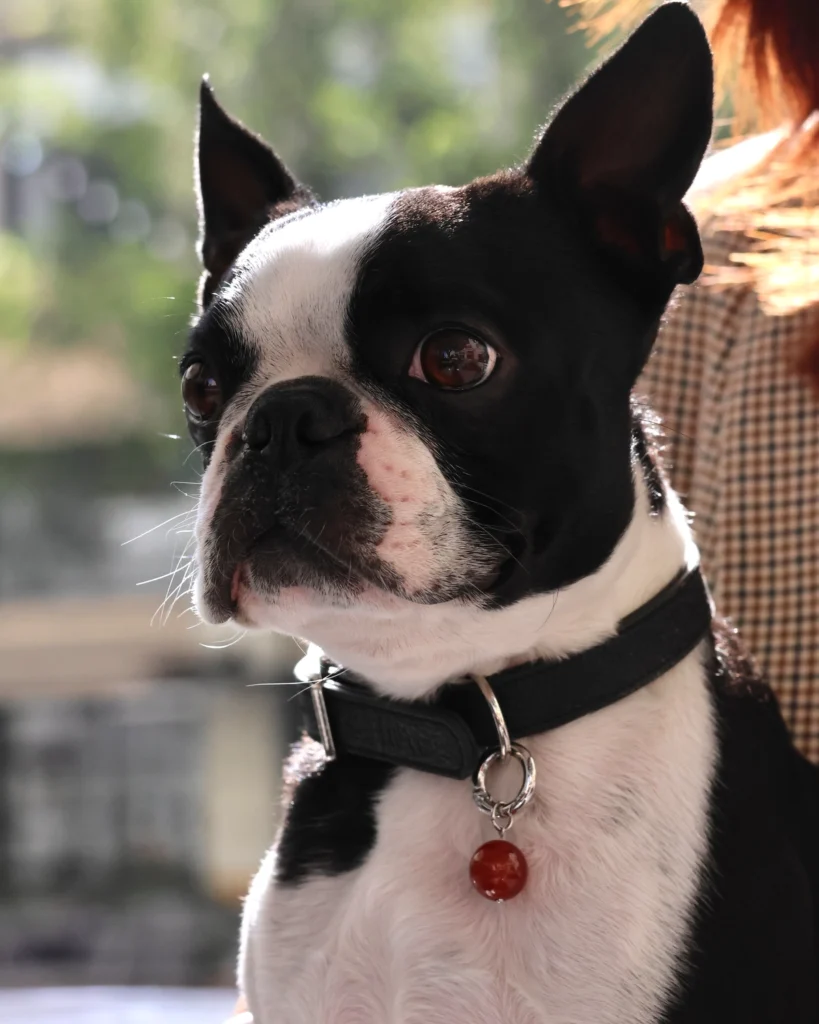
There is no wrong answer. Most people choose by look: black leather with obsidian is sleek and minimal; taupe with aquamarine or green aventurine feels soft and light; red agate adds a warm spot of colour. Some choose the colour that stands out best against their dog’s coat. If you’d like a little help, our quiz suggests a stone in a few questions.
Safety first
- Get the fit right: two fingers under the collar, no more, as the American Kennel Club suggests. Recheck often for growing puppies.
- Supervise. Take the collar off for crating, rough play and time alone, since anything that hangs can snag.
- Never let a dog chew or swallow a stone. If the charm becomes a chew toy, remove it, and call your vet promptly if you suspect your dog swallowed something.
- Check the ring and stitching every week or so for wear.
Caring for the stone
Quartz-family stones are easy to clean: warm, soapy water is safe, and ultrasonic or steam cleaners are best avoided, per GIA’s care advice. Keep water off the leather and let everything dry fully before your dog wears it again.
FAQ
What is the best stone for a dog collar?
A smooth, polished, hard stone that is securely set. After that, choose the colour you like best. Clear quartz goes with everything if you’re unsure.
Are stone charms safe for dogs?
They can be when the collar fits well, the stone is firmly attached and your dog wears it under supervision. Remove it if your dog chews at it.
Can my dog wear it all the time?
We recommend wearing it on walks and time together, then taking it off for crating, rough play and unsupervised hours.
Do the same collars work for cats?
Yes. The LuKra collar comes in three sizes; choose by neck measurement and follow the same rules.
Browse the LuKra collar collection in black or taupe Italian leather with all seven stones, or take the quiz and let it suggest one.