Collars
 Leashes
 Charms
How to Clean a Leather Dog Collar and Keep It Supple
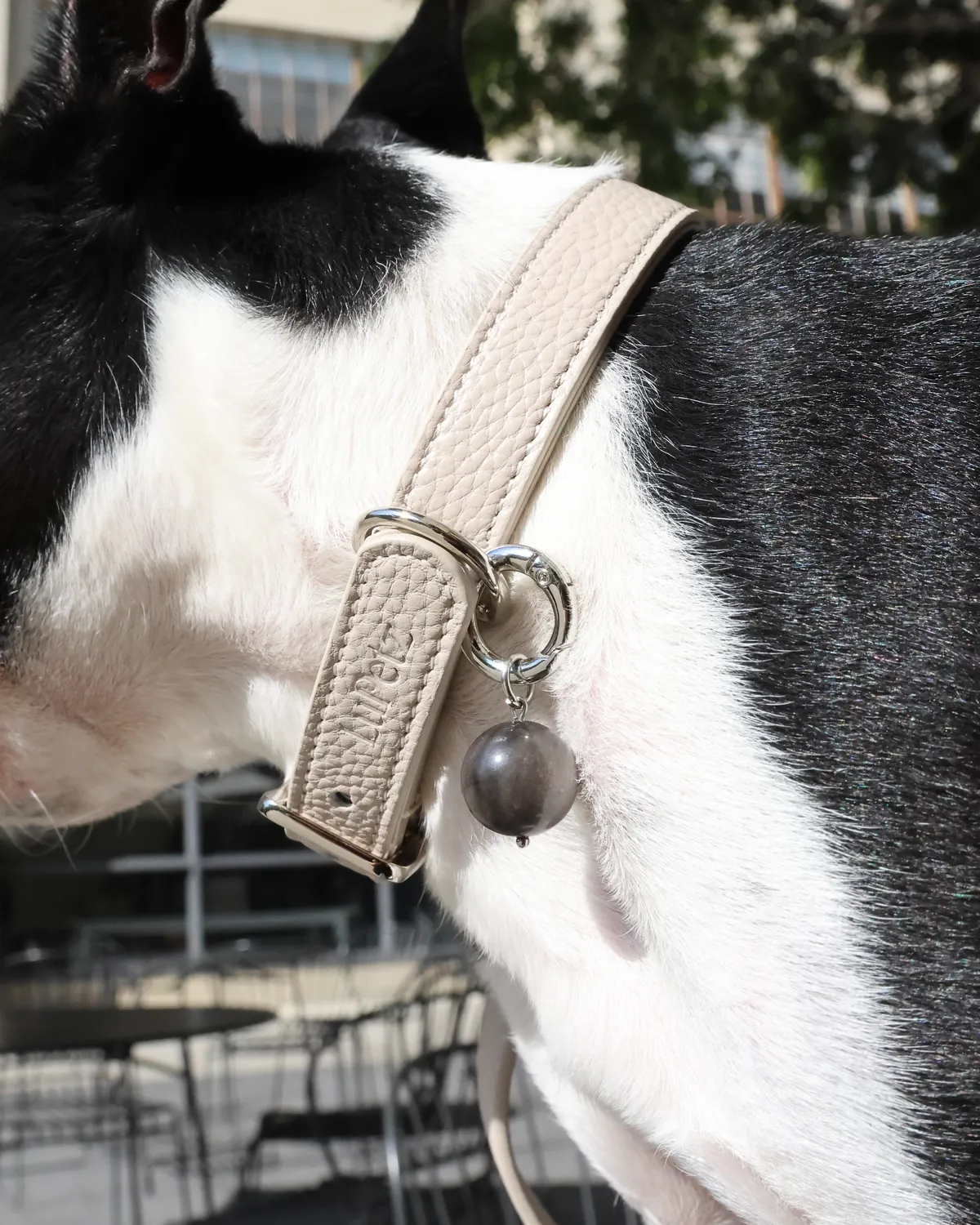
To clean a leather dog collar, take off any tags or charms, brush away loose dirt, then wipe the leather with a cloth barely dampened with lukewarm water and a little mild leather soap. Wipe off the residue with a clean damp cloth, let the collar air-dry slowly away from heat, and finish with a thin coat of leather conditioner once it is fully dry. Never soak it or put it in the washing machine. Done every few weeks, that routine keeps full-grain leather soft, clean and good-looking for years.
Why leather needs a different routine
A nylon collar can go in the wash with the dog towels. Leather can’t. Leather is skin that has been tanned and finished, and its suppleness comes from oils held in the fibers. Soaking, harsh detergents and fast drying all pull those oils out, and the result is a collar that stiffens, darkens unevenly and eventually cracks along the holes and at the buckle fold.
The good news is that leather rewards a little regular attention. A full-grain collar that is wiped down and conditioned now and then softens, molds to the neck and takes on a deeper, more even colour with age. Most of the work is simply not doing the wrong thing.

What you’ll need
- Two soft, lint-free cloths (microfiber works well): one for washing, one for wiping off.
- A soft brush, such as an old soft toothbrush, for the stitching and around the buckle.
- A mild leather cleaner or glycerin saddle soap.
- A leather conditioner suited to smooth or full-grain leather.
- Lukewarm water in a small bowl.
Skip household cleaners, dish detergent, baby wipes with alcohol, and anything containing ammonia or bleach. Equine specialists at the University of Florida IFAS Extension recommend liquid glycerin saddle soap for tack because it rinses out more cleanly than bar soap, which can build up in stitching. The same logic applies to a hand-stitched collar.
How to clean a leather dog collar, step by step
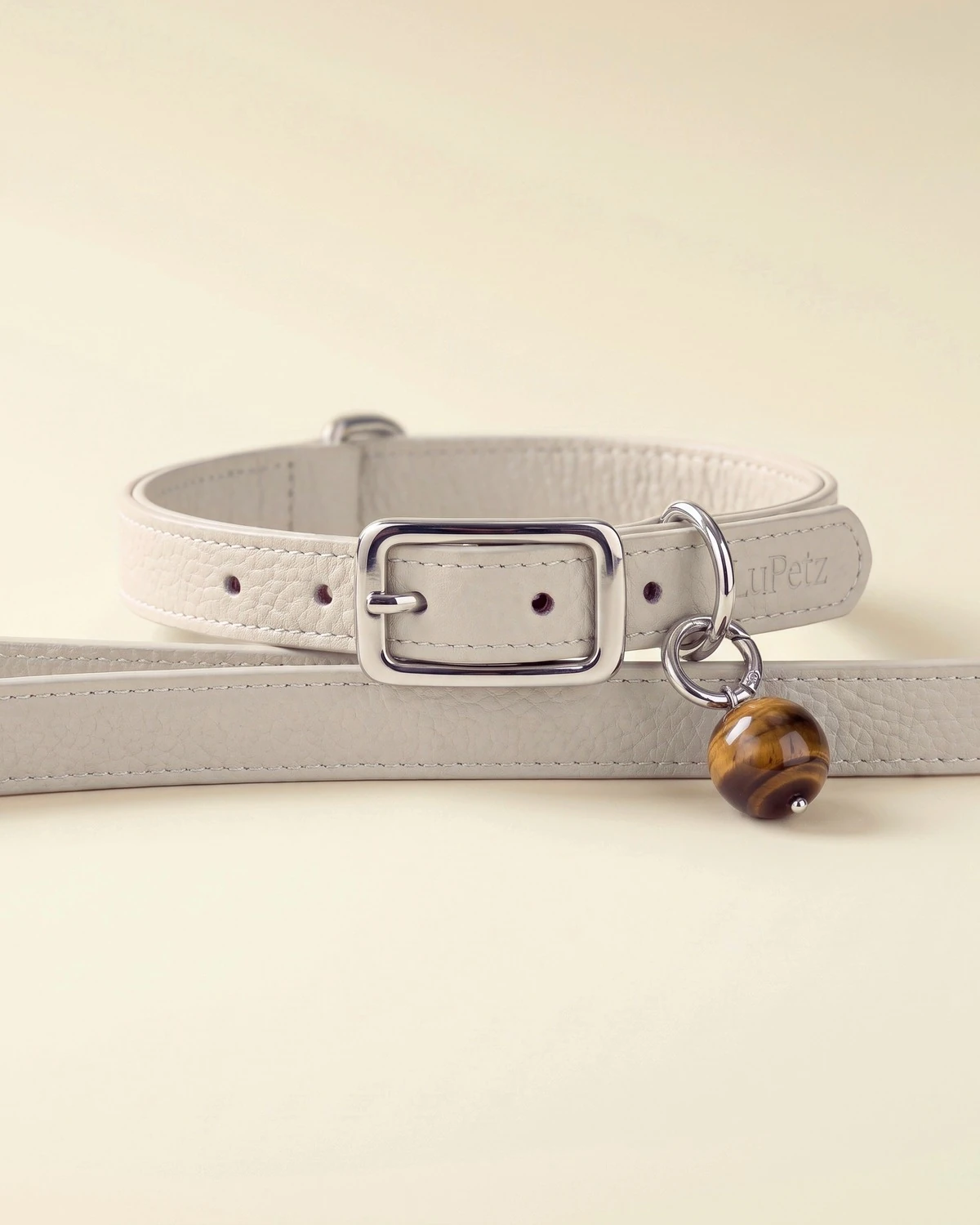
- Remove everything that comes off. Take off ID tags and unclip the stone charm. Set the charm aside; it gets its own quick clean later.
- Dry-brush first. Brush away hair, sand and dried mud, paying attention to the edges, the stitching and the area under the buckle, where grit collects and wears the leather.
- Wash with a barely damp cloth. Dip the cloth in lukewarm water, wring it out until it is almost dry, and work a small amount of cleaner or saddle soap over the leather in small circles. The aim is a light lather on the surface, not water in the leather.
- Clean the stitching gently. Use the soft brush along the line of the stitches rather than across them, so you lift dirt without fraying the thread.
- Wipe off all residue. Rinse your second cloth, wring it well and wipe the collar down until no soap remains. Leftover soap dries into a dull, tacky film.
- Clean the hardware. Wipe the buckle and D-ring with the damp cloth and dry them straight away so water doesn’t sit against the leather where they meet.
If you’re trying a new cleaner, test it first on the inside of the collar near the tip, and wait to see whether it darkens or marks the leather before doing the whole piece.
Drying and conditioning
Let it dry slowly
Pat the collar with a dry towel, then lay it flat or hang it somewhere airy at room temperature. Keep it away from radiators, hair dryers, heaters and strong direct sun. Fast drying is the most common way to ruin good leather: it shrinks and stiffens the fibers. Overnight is usually enough for a collar to dry fully.
Condition sparingly
Once the collar is completely dry, put a pea-sized amount of conditioner on a clean cloth and work it into the leather in small circles, both sides, with a little extra along the edges and around the holes. Let it absorb, then buff off any excess so the surface feels smooth, not greasy. Conditioners can deepen the colour of lighter leathers slightly, so test on the inside first if you have a taupe collar.
Less is more. The UF/IFAS guide to tack care warns that over-oiling leads to residue and mildew, and advises avoiding heavy petroleum products and kitchen oils such as corn or vegetable oil. A thin coat every month or two is plenty for a collar worn daily; more often if your dog swims a lot.
Everyday care: rain, swims and smells
Caught in the rain. Take the collar off when you get home, blot it with a towel and let it dry at room temperature. A light coat of conditioner once it is dry helps it recover any suppleness lost to the water.
Swimming and the beach. Salt water and chlorine are hard on leather. If your dog swims often, a separate swim collar is kinder to a leather one. If the leather collar does go in, wipe it with fresh water afterward, then dry and condition it as above.
Odour. Most collar smell is skin oil and dirt trapped on the inside of the collar. Regular wiping of the inner side prevents it better than any deodorizer. Never soak leather in vinegar or baking soda solutions; they can dry and discolour it.
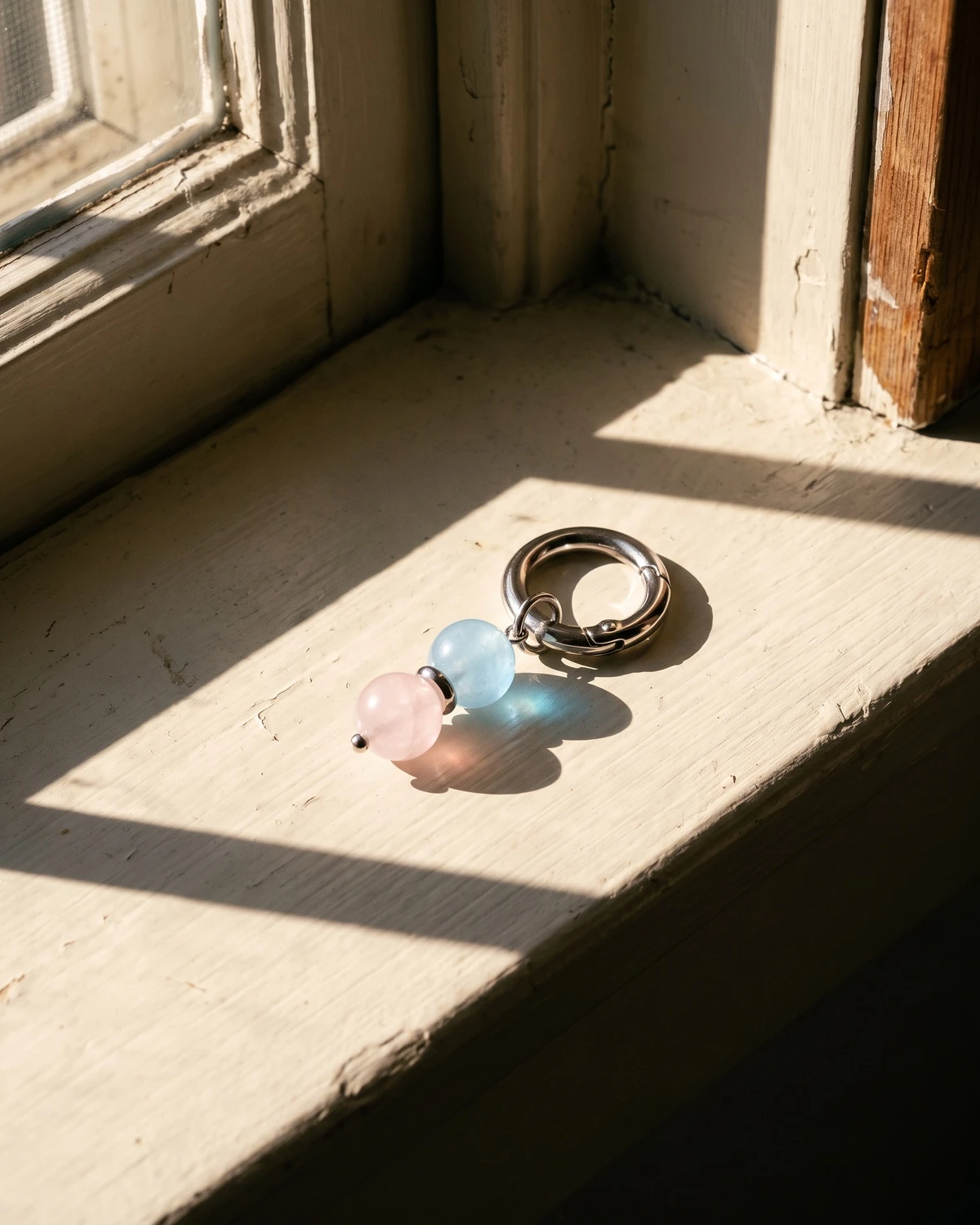
The stone charm. Rinse it under lukewarm water, wipe it with a soft cloth and dry it before clipping it back on. Natural stones vary in hardness, so avoid abrasive pads.
A quick inspection. Every clean is a good moment to look the collar over: check the stitching, the holes and the leather near the buckle for cracks or stretching, and check that the fit still allows two fingers under the collar. If you need a refresher on sizing, our guide on how to measure dog collar size walks through it. Supervise your pet while wearing accessories, and remove the collar if your dog starts chewing the charm; it must not be chewed or swallowed.
FAQ
Can I put a leather dog collar in the washing machine?
No. Soaking and machine agitation strip the oils from leather, can loosen the stitching and leave the collar stiff once it dries. Wipe-clean only.
How often should I clean a leather collar?
A quick wipe every few weeks for a collar worn daily, with a full clean and condition every month or two. Clean it sooner after mud, rain or a swim.
Can I use coconut or olive oil on a leather collar?
It’s better not to. Kitchen oils can turn rancid, darken leather unevenly and attract dirt. Use a conditioner made for leather.
My collar got soaked. Is it ruined?
Usually not. Blot it, let it dry slowly at room temperature without heat, then condition it. Most full-grain leather recovers well.
Looked after this way, a good collar only gets better. See the hand-stitched LuKra Collar in Italian full-grain leather, pair it with the matching LuKra Leash, or browse the full LuPetz shop.